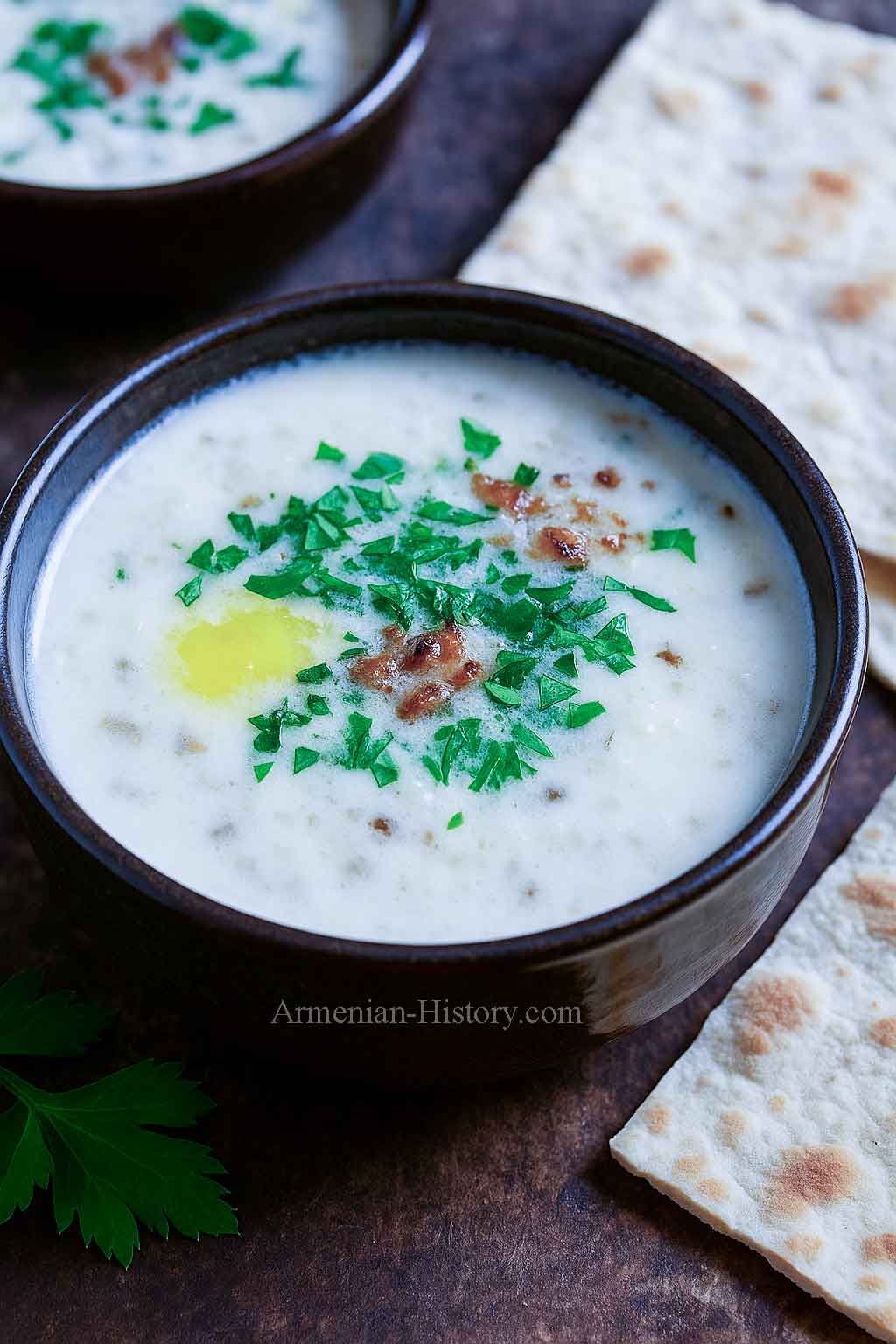
Spas is one of the most beloved traditional dishes of Armenian cuisine. Prepared from yogurt (matzoon), grains, and herbs, this simple yet nourishing soup has been enjoyed in Armenian households for generations. Depending on the season and local tradition, Spas may be served either warm during the colder months or chilled in the summer, making it one of the most versatile dishes in Armenian culinary culture.
The History and Cultural Significance of Spas
Armenian cuisine developed over centuries in the Armenian Highlands, where dairy products, grains, and herbs formed the foundation of everyday life. Spas reflects this heritage perfectly. Using ingredients that were readily available to rural families, Armenian cooks created a dish that was both nutritious and economical while remaining flavorful and satisfying.
For many Armenians, Spas is associated with family gatherings, hospitality, and home cooking. It is a dish that has been passed from one generation to the next, preserving culinary traditions that connect modern Armenians with their historical roots.
Today, Spas remains a common feature of Armenian cuisine and can be found in homes, restaurants, and traditional celebrations throughout Armenia and the Armenian diaspora.
Traditional Ingredients
Although recipes vary slightly by region and family tradition, the main ingredients typically include:
- Matzoon (Armenian yogurt)
- Hulled wheat (dzavar), pearl barley, or rice
- Flour
- Egg (optional)
- Water or broth
- Onion
- Butter
- Fresh or dried herbs, especially mint
- Salt and pepper
The combination of yogurt and grains gives the soup its distinctive creamy texture and refreshing flavor.
How Spas Is Prepared
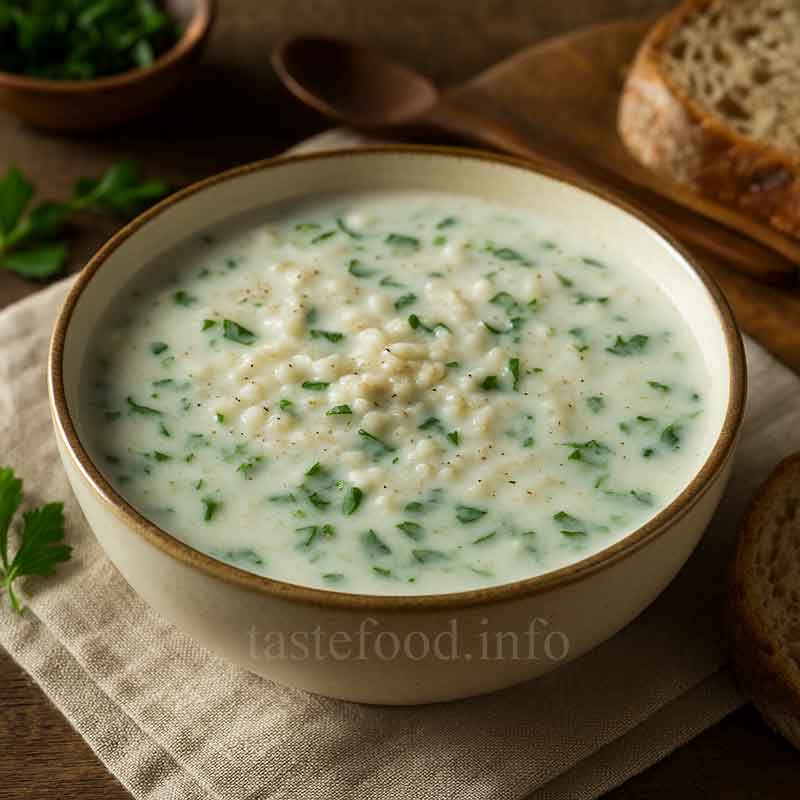
The grain is first cooked until tender. Separately, yogurt is mixed with flour and sometimes egg to help maintain a smooth consistency during cooking. Water or broth is gradually incorporated before the mixture is heated slowly while being stirred continuously.
Once the yogurt base has thickened slightly, the cooked grain is added. In a separate pan, onions are sautéed in butter until golden, then combined with herbs and added to the soup. The dish is seasoned to taste and served either hot or cold.
Serving Spas
Spas is enjoyed in several ways:
- Warm during autumn and winter months.
- Chilled as a refreshing summer dish.
- Accompanied by fresh bread or lavash.
- Garnished with additional herbs or melted butter.
Its versatility has helped make it a staple of Armenian cuisine for centuries.
Why Spas Remains Popular
One of the reasons Spas has endured for generations is its simplicity. The dish combines basic ingredients into a meal that is both comforting and nutritious. It reflects the resourcefulness of Armenian cooking and the importance of family traditions in preserving cultural identity.
Like many traditional Armenian dishes, Spas is more than food. It is part of a living heritage that continues to connect Armenians with their history, homeland, and shared cultural traditions.
Spas remains one of the most recognizable soups in Armenian cuisine. Combining yogurt, grains, and herbs, it represents centuries of culinary tradition and the enduring values of hospitality, family, and nourishment. Whether enjoyed in a village home in Armenia or at a family table elsewhere in the world, Spas continues to bring a taste of Armenian heritage to every bowl.