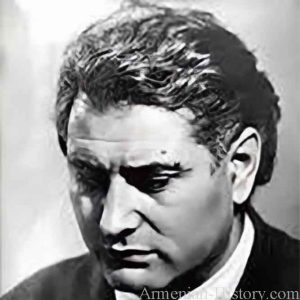
Hovhannes Shiraz (1915–1984) – Armenian Poet of Love and Homeland
Hovhannes Shiraz (Հովհաննես Շիրազ, 1915–1984) was one of Armenia’s most beloved poets of the twentieth century, remembered for his passionate lyricism, deep patriotism, and evocative

Hovhannes Shiraz (Հովհաննես Շիրազ, 1915–1984) was one of Armenia’s most beloved poets of the twentieth century, remembered for his passionate lyricism, deep patriotism, and evocative
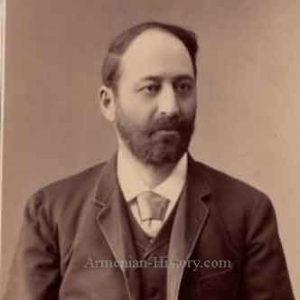
Smbat Shahaziz (Սմբատ Շահազիզ, 1840–1908) was an Armenian poet, educator, and public figure of the late 19th century, known for his patriotic poetry, educational work,
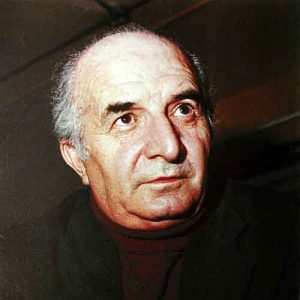
Vahagn Davtyan (Վահագն Դավթյան, 1922–1996) was a distinguished Armenian poet, essayist, translator, and cultural figure. His literary contributions spanned poetry, criticism, and translations, and he
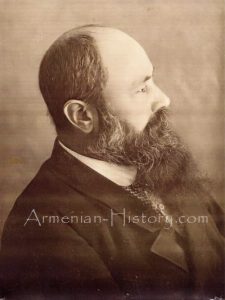
Atrpet, born Sargis Mubayajian (1860–1937), was a prolific Armenian writer, journalist, and social activist whose works left an indelible mark on Armenian literature and national
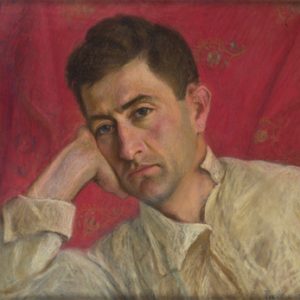
Axel Bakunts (Alexander Stepani Tevosyan, 1899–1937) was a prominent Armenian writer, journalist, and public figure, celebrated for his deep and evocative prose. Born in Goris,
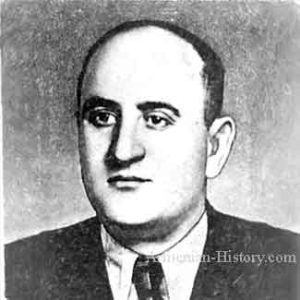
Vakhtang Stepani Ananyan (Վախթանգ Անանյան, 1905–1980) was a prominent Armenian writer, best known for his works about nature, hunting, and the adventurous spirit of rural
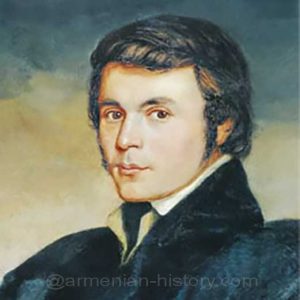
A pioneering figure who significantly influenced the trajectory of Armenian literature and intellectual thought, Khachatur Abovian, often heralded as the “father of modern Armenian literature,”
Pierre Nora, famous for his negativistic ideas, acknowledged at a French Mémoire et Histoire (Memory and History) TV program by Alain Finkielkraut on France Culture,
In the framework of World Cinema Series Armenian film Director Sergei Parajanov’s The Color of Pomegranate was presented in Singapore’s National Museum on Thursday.
Author: Stella Vardanyan Medicine is an inseparable part of the ancient Armenian culture. Its roots come from deep in the past. Relying on folk medicine
Armenian medicine, which has a history of some 3000 years, has created a rich treasury of natural medicaments. Medicine is an inseparable part of ancient
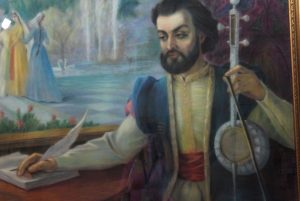
Sayat Nova, the renowned Armenian poet and musician, profoundly influenced the cultural landscape of the Caucasus. His work transcended ethnic and linguistic boundaries, blending Armenian, Georgian, and Persian traditions into a unique artistic vision that continues to inspire today.